June 23, 2026
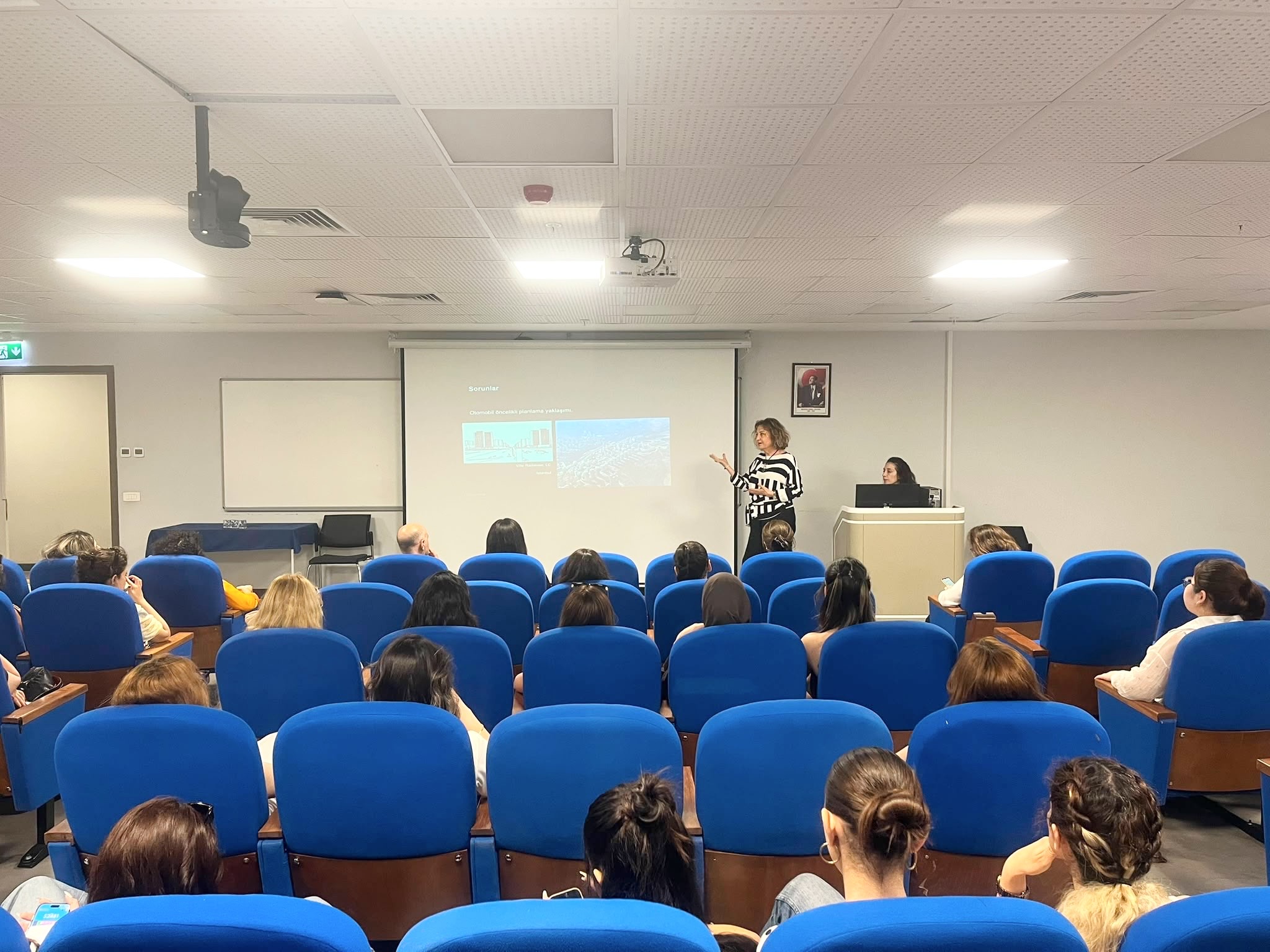
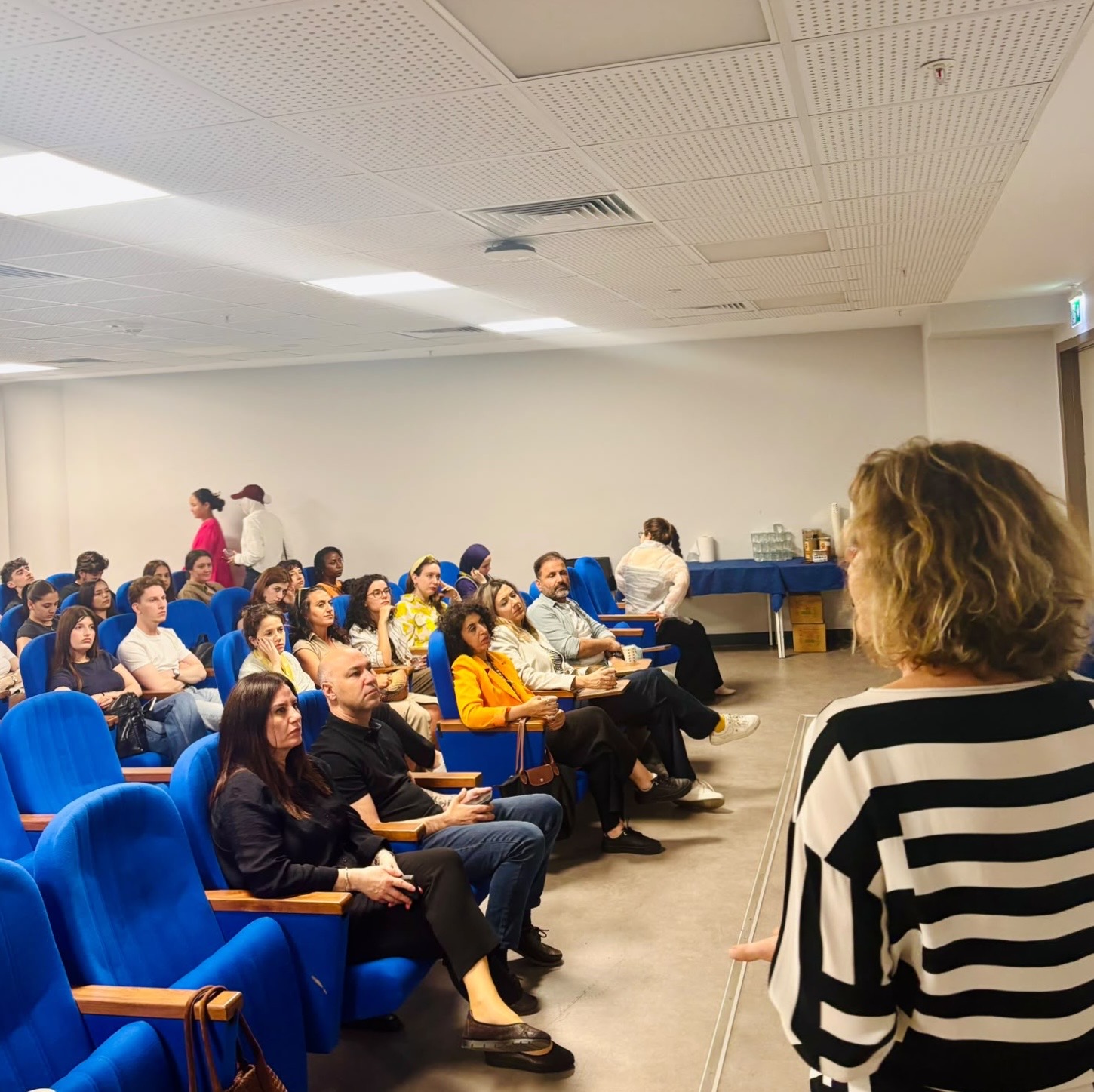
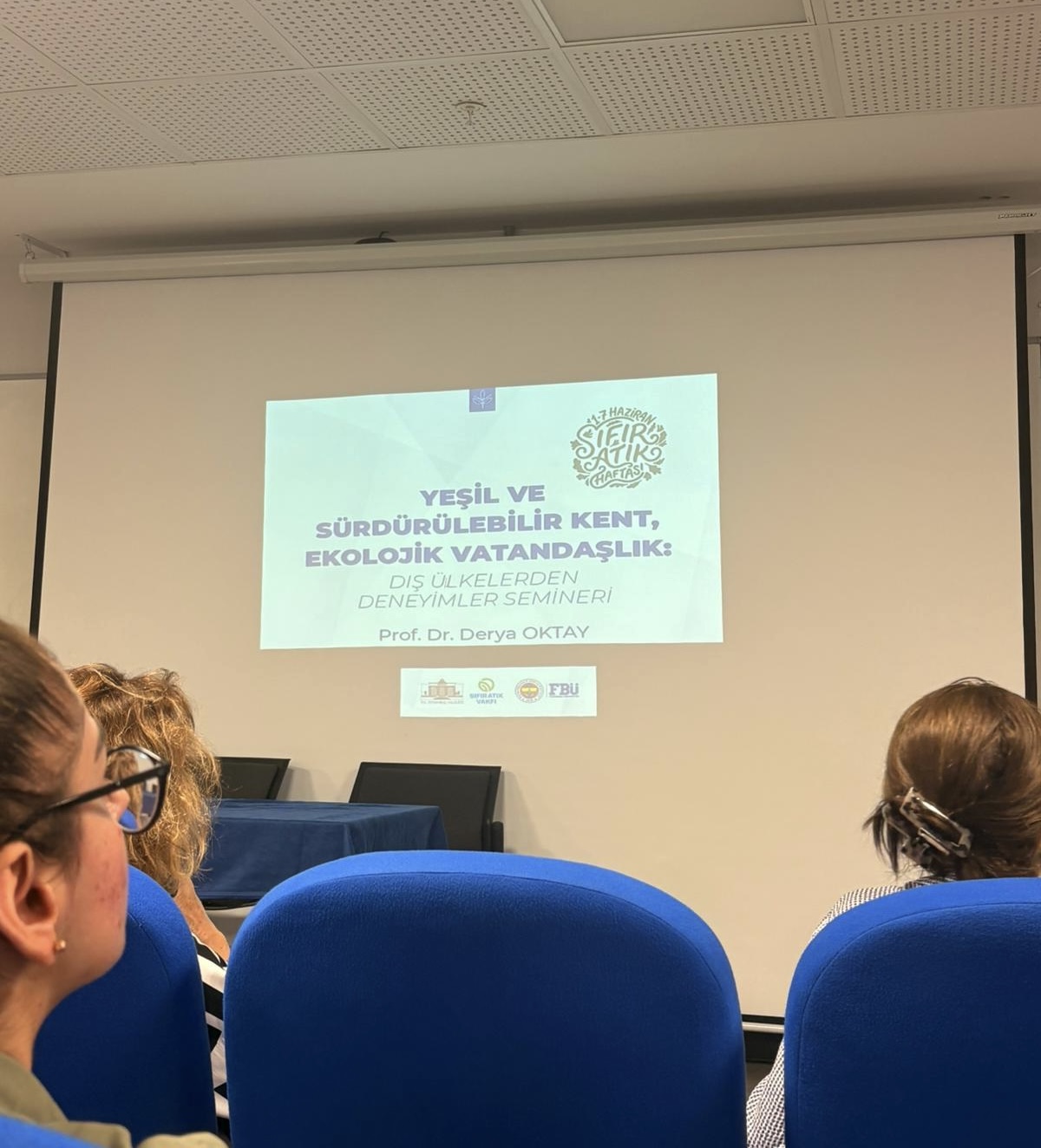
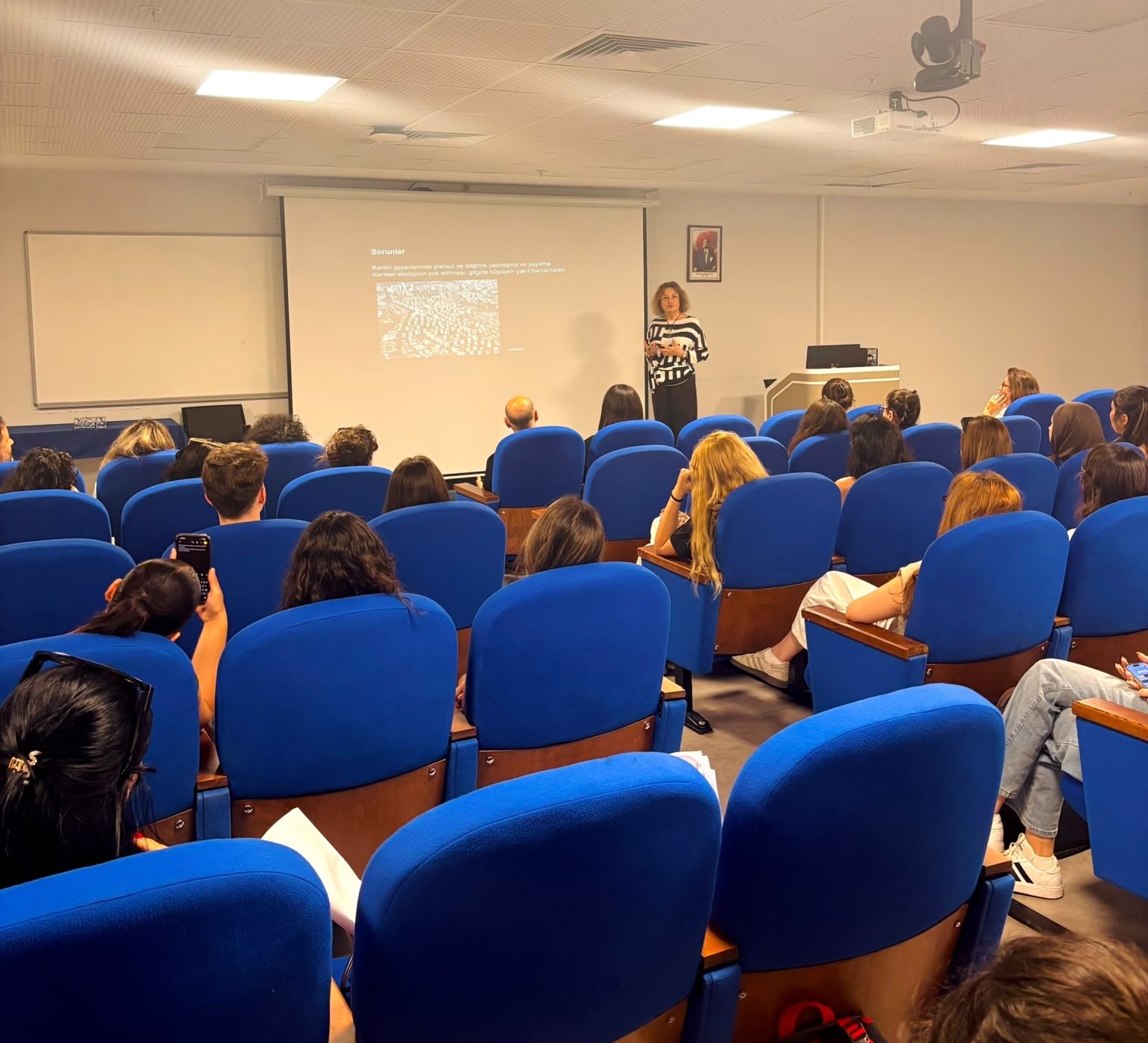
As part of the 1-7 June Zero Waste Week activities, the seminar entitled "Green and Sustainable Cities, Ecological Citizenship: International Perspectives" was held on 16 June in the Blue Hall, Ground Floor, Block F. The seminar was organized through the collaboration of the Istanbul Governorship of the Republic of Turkey, the Zero Waste Foundation, and Fenerbahçe University, and was delivered by Prof. Dr. Derya Oktay, Dean of the Faculty of Architecture and Design.
Drawing on her research conducted since her first studies at the University of California, Berkeley in 1996, as well as her professional and personal experiences, Prof. Dr. Oktay discussed sustainable urbanization, climate change, and ecological citizenship. She emphasized that designers, architects, and urban planners bear the greatest responsibility in addressing global warming and climate change. Highlighting the environmental problems caused by unplanned and uncontrolled urban growth, Prof. Dr. Oktay noted that cities have gradually lost their capacity for self-sufficiency. She further explained that automobile-oriented planning approaches increase the consumption of fossil fuels, particularly petroleum, which contributes significantly to global warming, emphasizing the importance of sustainable and environmentally responsible planning and design.
Prof. Dr. Oktay also introduced the concept of “ecological citizenship” as an essential dimension to be incorporated into the principles of sustainable and ecological cities. She stressed that addressing environmental challenges requires not only the efforts of public institutions but also the active engagement of individuals. Ecological citizenship, she noted, calls for individuals to be aware of the environmental impacts of their daily practices and consumption habits.
As part of the seminar, Prof. Dr. Oktay presented examples of research and practical applications in sustainable urban development and ecological citizenship from the United States and the United Kingdom. She highlighted sustainable transportation models, pedestrian- and bicycle-oriented urban planning, green infrastructure systems, and energy-efficient settlement models as important tools in combating climate change. Drawing on her research and observations at the University of Michigan, she also introduced a solar house designed and constructed by architecture students through a hands-on learning approach and exhibited at the Solar Decathlon Competition alongside solar houses developed by architecture students from other universities across the United States.
The seminar, which attracted great interest from participants, concluded with a question-and-answer session.